Although IV and oral acetylcysteine are equally effective for this indication, oral administration is generally poorly tolerated due to the higher dosing required to overcome its low oral bioavailability, [26] its foul taste and odor, and a higher incidence of adverse effects when taken orally, particularly nausea and vomiting
But in practice, and especially with regard to synthetic and recombinant peptide forms, there are some considerable potential safety concerns: Immunogenicity Most notably, per a 2020 assessment on therapeutic peptide safety, synthetic and recombinant peptides pose the risk of immunogenicity the ability of a substance to provoke an immune response.15 An immunogenicity-inducing peptide, when introduced to the body, would cause the bodys immune system to perceive the peptide not as a medication but as a threat
Inflammation that comes from arthritis, or in rare cases
Furthermore, onco-nephrology is a new and evolving subspecialized area which attracted more and more attention
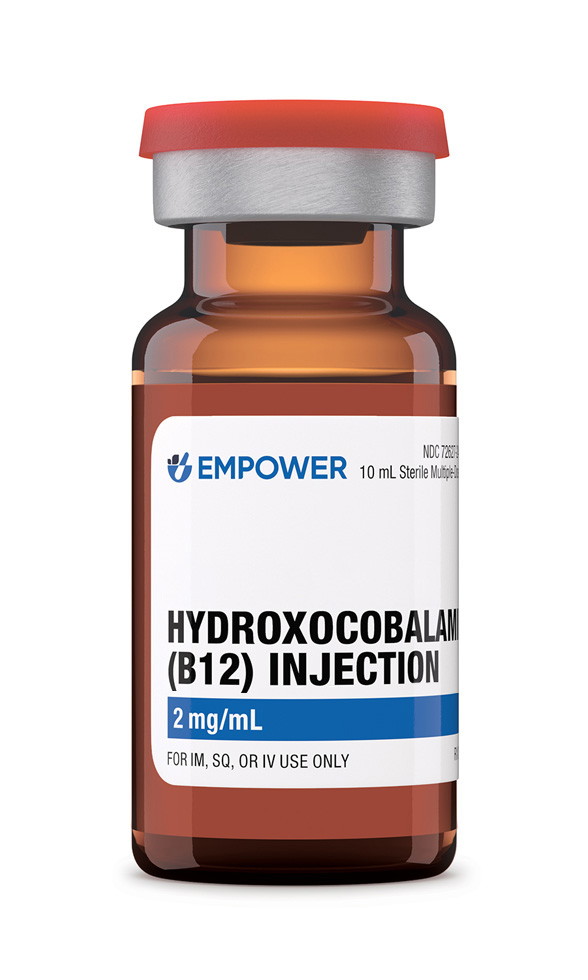
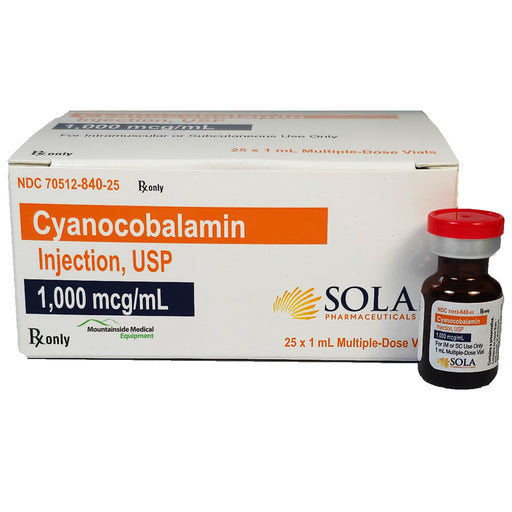
Due to its sterile nature, the solution is free from germs and isotonic to the body