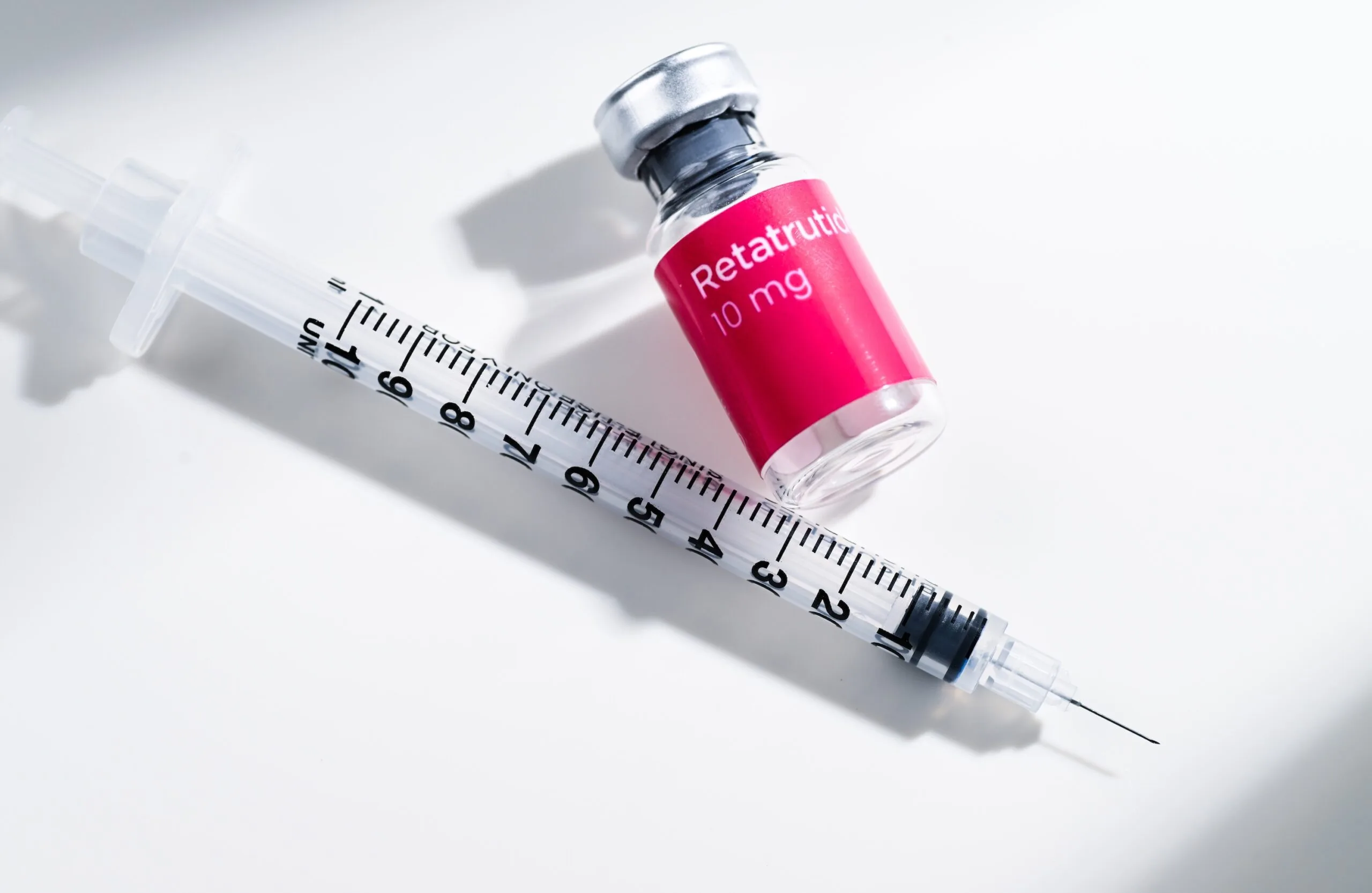
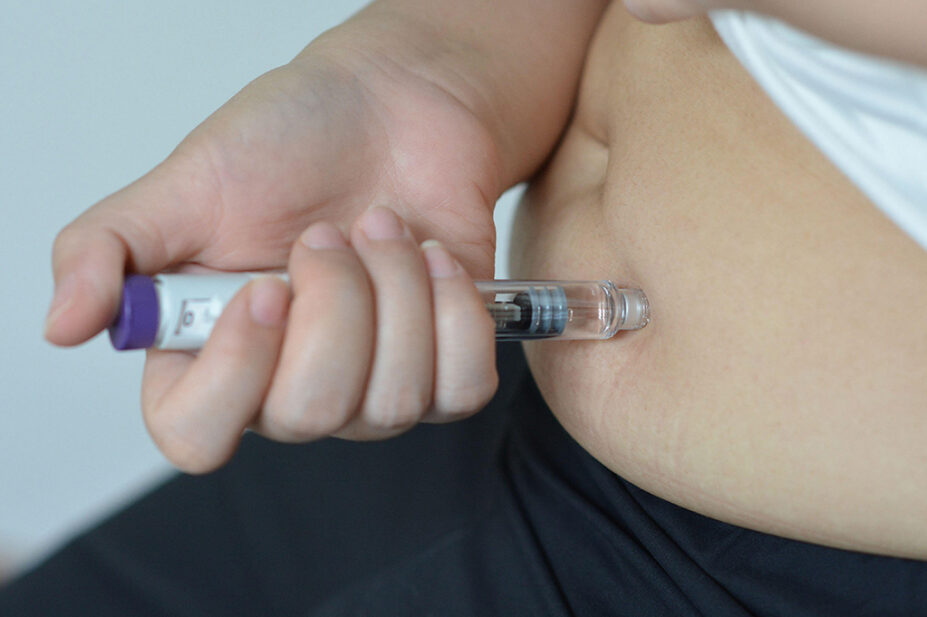
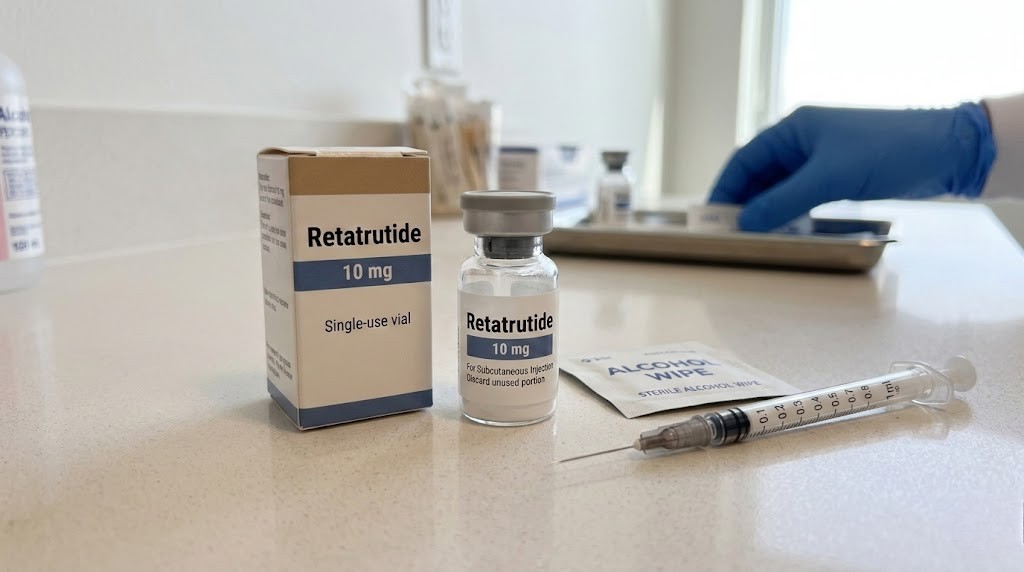
CAT No: 10-101-343 CAS No: 1401708-83-5 Synonyms/Alias: dihexa;1401708-83-5;L-Isoleucinamide, N-(1-oxohexyl)-L-tyrosyl-N-(6-amino-6-oxohexyl)-;N-hexanoic-Tyr-Ile-(6) aminohexanoic amide;9WYX65A5C2;PNB-0408;(2S,3S)-N-(6-amino-6-oxohexyl)-2-[[(2S)-2-(hexanoylamino)-3-(4-hydroxyphenyl)propanoyl]amino]-3-methylpentanamide;6-(2-(2-Hexanamido-3-(4-hydroxyphenyl)propanamido)-3-methylpentanamido)hexanamide;6-[(2S,3S)-2-[(2S)-2-hexanamido-3-(4-hydroxyphenyl)propanamido]-3-methylpentanamido]hexanamide;Hexanoyl-Tyr-Ile-Ahx-NH2;UNII-9WYX65A5C2;Dihexa (PNB-0408)?;DTXSID701032895;GLXC-25923;ATH-1001;AKOS040759118;CS-6864;DA-62870;HY-16969;PNB-0408
978 TDF patients were successfully PS matched to ETV patients and differences between groups resolved
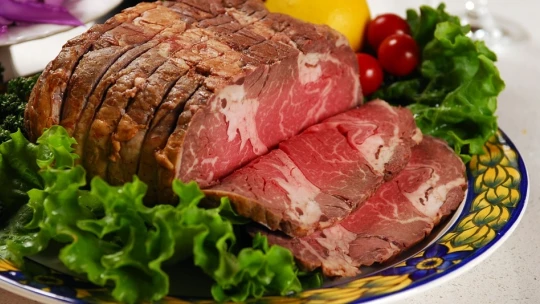
Eggs, milk, liver, red meat, poultry, shell fish, and fish,[all] believed to be major dietary sources of choline, and, hence TMAO production. So its not just red meat
The current fads of consuming bone broths and fermented foods such as sauerkraut and kombucha only help to exacerbate this condition
Reserve now