The stack rationale is built on three types of evidence: animal models for BPC-157, human RCTs for Thymosin Alpha-1 in separate indications, and clinician-reported patient outcomes
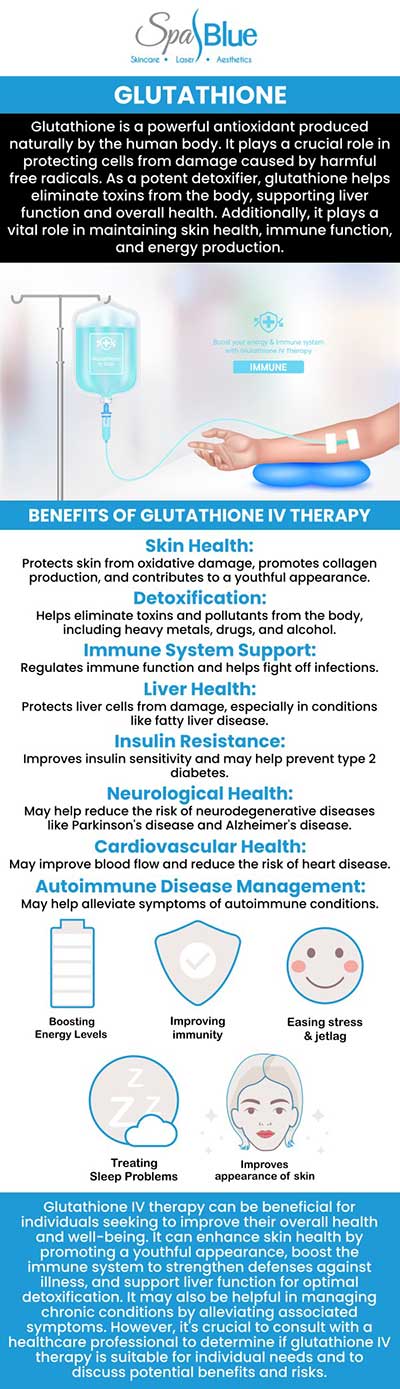
GSH replenishment in human tissues is difficult due to its shorter half-life, and not easy to penetrate the plasma membrane hence use of prodrugs/precursors such as cysteine, and glycine is the most promising approach 4,45
Just those specific amino acids at high concentration
It is postulated that neurotransmitters or neurochemicals released by nerve endings, specifically substance P, can be toxic to melanocytes, causing their destruction in specific areas.92,93 The segmental distribution of vitiligo patches corresponds to the innervation of certain nerves, supporting this hypothesis.92,93 A study analyzing the presence of VZV in segmental vitiligo skin suggests a possible relationship between the 2
Retrieved 15 February 2018