Well also discuss safety considerations, clinical research, and training resources such as Peptide Training for those who wish to deepen their expertise
In summary, hypoxia influences tumor cell metabolism by upregulating glucose transporters, enhancing glycolytic enzymes, inhibiting the TCA cycle and fatty acid oxidation, suppressing ETC complex I activity, and inducing selective mitochondrial autophagy
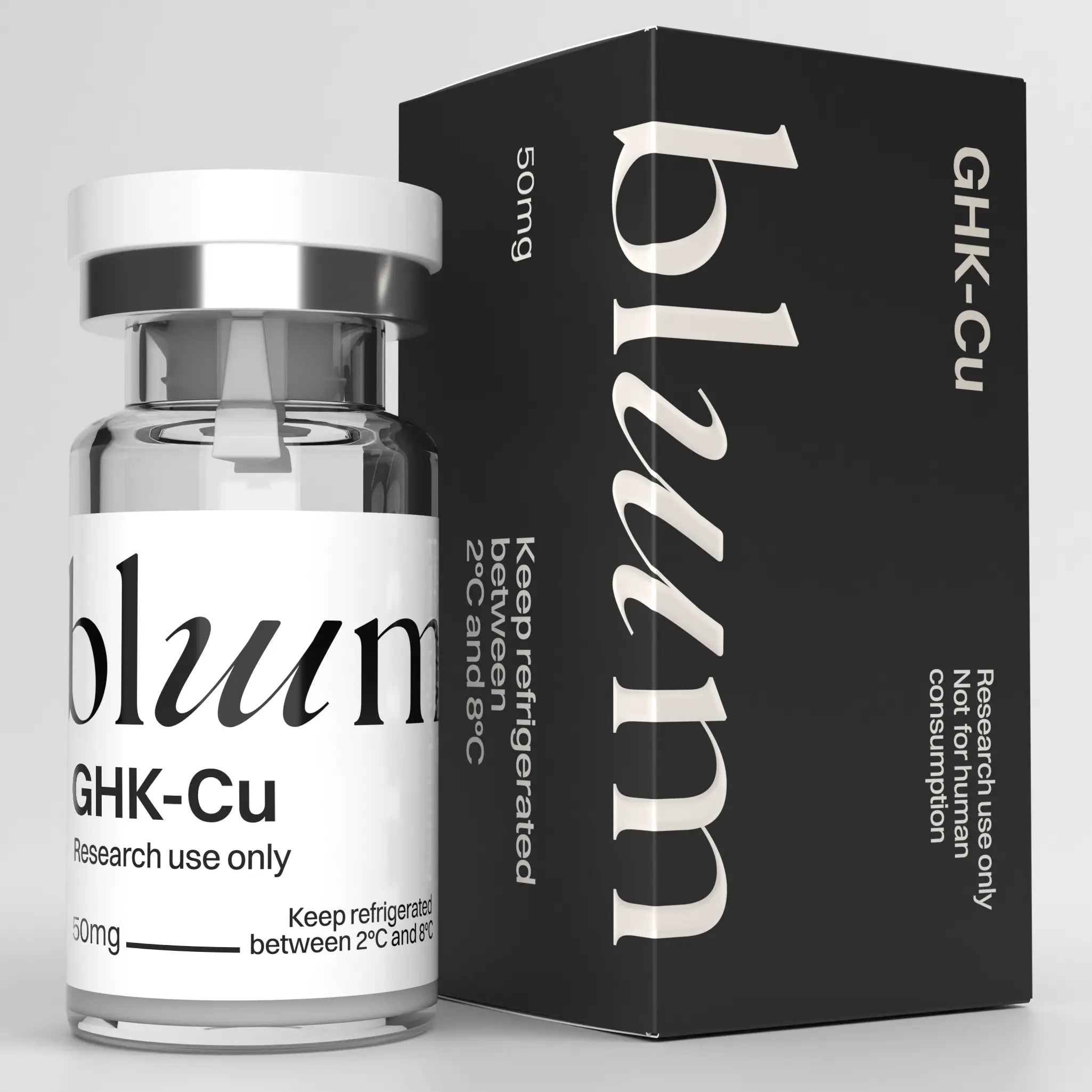
What GHK-Cu adds to the formulation: Gene expression modulation across hundreds of genes including collagen genes (Type I, III), tissue inhibitors of metalloproteinases, anti-inflammatory mediators Collagen synthesis stimulation, specifically Type I and Type III collagen the structural proteins of skin, connective tissue, and many other tissues Anti-inflammatory signaling through investigated effects on TNF-, IL-6, and NF-B pathways Copper-peptide chemistry effects including cofactor activity for skin-relevant enzymes Skin-research and hair-research applications (the GHK-Cu literature in these areas is substantial) For the GHK-Cu deep-dive, see Copper Peptides Explained
Avoid repeated freeze-thaw cycles , as these may compromise both peptide stability and copper-binding activity
How does FOXO4-DRI compare to small molecule senolytics in development