Cyanocobalamin, or vitamin B12, is a B vitamin.It is found in a variety of foods such as fish, seafood, meats, and dairy products.Although vitamin B12 and the terms used interchangeably, vitamin B12 is also available as hydroxocobalamin, a less prescribed medication (see hydroxocobalamin monograph).Cyanocobalamin is available nasal, oral, and parenteral routes, and is equal in biological activity to hydroxocobalamin.Cyanocobalamin is used to treat pernicious anemia and vitamin B12 deficiency, as well as to determine vitamin B12 absorption in the Schilling test.Vitamin B12 is an essential vitamin found in foods like meat, eggs, and dairy products. Deficiency in healthy individuals is rare;the elderly, strict vegetarians (i.e. vegans) and patients with malabsorption problems have more problems becoming deficient.If vitamin B12 deficiency is not treated with a vitamin B12 supplement, it can cause anemia, intestinal problems, and irreversible nerve damage.Oral therapy is not always effective, as some people lack intrinsic factor, an endogenous substance produced by the stomach and necessary for the oral absorption of B12.Other patients may not be able to absorb oral vitamin B12 due to surgical removal or dysfunction of the intestines in the area where vitamin B12 absorption occurs.Therefore, parenteral or nasal therapy may be necessary;however, intranasal therapy should only be instituted for maintenance treatment after control of the condition has been obtained parenterally.Vitamin B12 is used to treat pernicious anemia and vitamin B12 deficiency, as well as to determine vitamin B12 absorption in the Schilling test.Cyanocobalamin was approved by the FDA in 1949. The intranasal measured gel solution (Nascobal) form was approved in November 1996 for vitamin B12 deficiency resulting from various conditions;In 2002, such conditions were expanded to include use in patients with vitamin B12 deficiency with HIV infection, AIDS, or Crohns disease.A B12 intranasal aerosol solution, also called Nascobal, with the same indications, was approved by the FDA in January 2005. Another intranasal aerosol, CaloMist , was approved in July 2007 for maintenance therapy after normalization with vitamin B12 IM.or Crohns disease.A B12 intranasal aerosol solution, also called Nascobal, with the same indications, was approved by the FDA in January 2005. Another intranasal aerosol, CaloMist , was approved in July 2007 for maintenance therapy after normalization with vitamin B12 IM.or Crohns disease.A B12 intranasal aerosol solution, also called Nascobal, with the same indications, was approved by the FDA in January 2005. Another intranasal aerosol, CaloMist , was approved in July 2007 for maintenance therapy after normalization with vitamin B12 IM

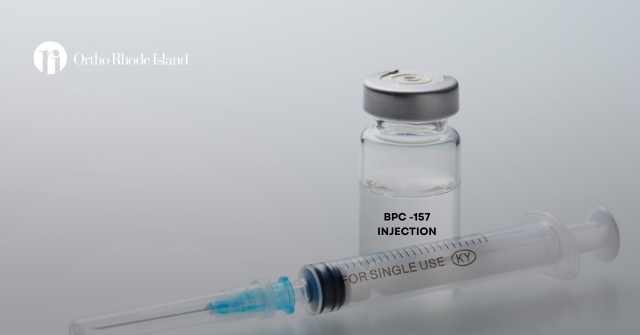
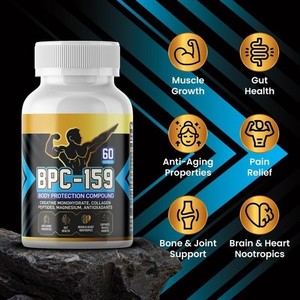
Research Base Comparison Both compounds have substantial published research bases, but with different shapes: BPC-157
Critical components such as red blood cells and immune cells are separated from the plasma and returned to the body for healthy functioning
Start slowly if you are new to active skincare If you are introducing a new cream into your routine, begin with once-daily use and observe how your skin responds over a few days
These can be a great addition to your diet