How Its Administered Sublingual (under the tongue): Held for 6090 seconds before swallowing for partial absorption into the bloodstream Oral (swallowed): Acts more locally in the stomach and intestines Dosage: Often ranges between 5001,000 mcg daily, depending on delivery and peptide strength Pros No injections required Easier to dose and travel with Potentially effective for ulcers, leaky gut, IBS, Crohns, and general GI inflammation Sublingual delivery may offer limited systemic absorption Cons Limited evidence supporting systemic efficacy Most research uses injectable models oral data is scarce Variable absorption depending on formulation and digestive environment May require higher or more frequent dosing to compensate for poor uptake Best For Individuals using BPC157 for gut health, intestinal permeability, or digestive inflammation Those who cant or wont inject peptides but still want potential healing benefits Stackers pairing oral BPC157 with systemic peptides (e.g., MK677) or gut support supplements BPC157 Capsules or Pills Capsule-based BPC157 supplements are increasingly marketed as convenient, over-the-counter alternatives to injectable or liquid forms
Glycyrrhizic acid-based multifunctional nanoplatform for tumor microenvironment regulation
For a full breakdown of delivery forms, see Best Forms of BPC157: Injectable vs Oral vs Capsules Explained What to Stack with BPC-157 for Faster Recovery (Expanded) TB500 Why it pairs well: TB500 (Thymosin Beta-4) works systemically to improve cellular repair, reduce inflammation, and promote the migration of immune cells and actin-binding proteins to damaged areas
Size and zeta potential measurements were conducted on a Malvern Zetasizer (Nano ZS, UK)
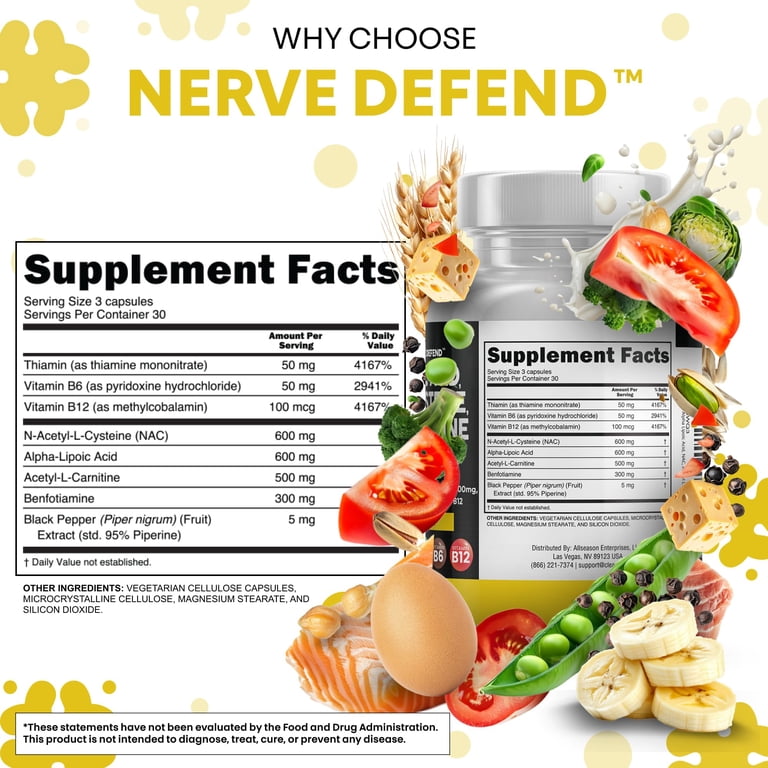
Studies have found that supplementing L-carnitine through parenteral nutrition can improve the acylcarnitine profile in the peripheral blood of preterm infants