GLP-1 Compounded Medications Targeted by Connecticut Attorney General On May 21, 2025, the Connecticut Office of the Attorney General released a statement and sent letters to Connecticut weight loss clinics, med spas, medical practices and other businesses regarding allegedly or potentially unfair and deceptive conduct relating to compounded GLP-1 medications
It might be the dose, the titration speed, a concurrent medication, an underlying condition, or a shift to a different GLP-1 medication entirely (tirzepatide, for instance, shows stronger average weight loss in head-to-head comparisons)

Contact your GP or healthcare professional if you experience: New or worsening depression or anxiety that persists beyond the initial adjustment period (typically the first few weeks) Significant changes in mood that affect your daily functioning, relationships, or quality of life Thoughts of self-harm or suicide this requires urgent medical attention Severe or persistent nausea and vomiting that prevents you from eating, drinking, or taking other medications Symptoms of dehydration , such as dizziness, reduced urination, or extreme thirst Changes in the effectiveness of your antidepressant , such as return of depressive symptoms that were previously well-controlled For urgent mental health concerns: If you are in immediate danger or have suicidal intent, call 999 or go to A&E immediately For urgent advice, call NHS 111 For emotional support, contact Samaritans on 116 123 (available 24/7) Important warning signs requiring urgent medical attention: Severe, persistent abdominal pain (especially if radiating to the back) which could indicate pancreatitis Sudden visual changes, particularly if you have pre-existing diabetic retinopathy Signs of severe dehydration or reduced kidney function It is worth noting that weight loss itself can affect mood in complex ways
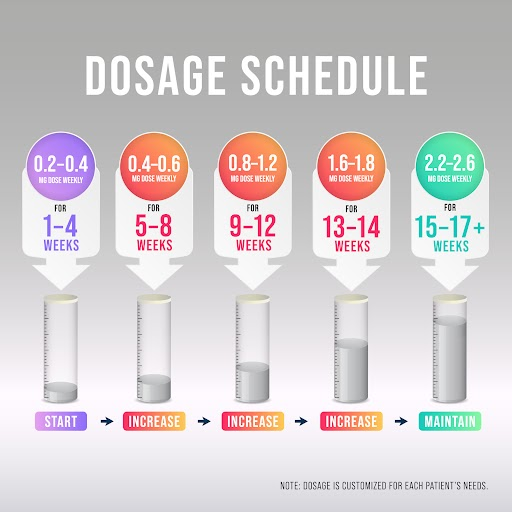
At TRT MD, we are committed to helping you find the best treatment option for your unique needs
In the current literature, the spontaneously hypertensive rats (SHR) is one of the most widely-used and validated animal models of ADHD [29, 30]