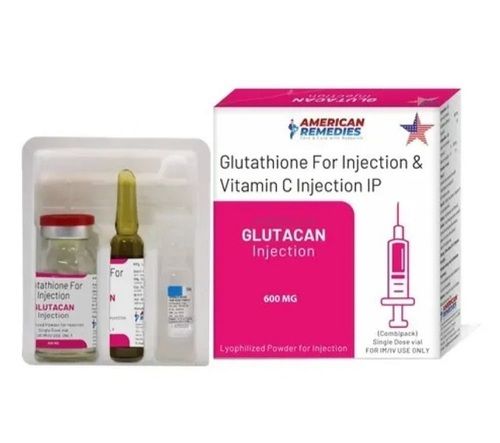
Key Differences Between L-Glutathione and Liposomal Glutathione Here is a quick side-by-side breakdown to help you spot the difference at a glance
Key applications include: Growth hormone axis pharmacology characterizing the pharmacokinetics and pharmacodynamics of multi-peptide GHRH plus GHS-R1a co-stimulation and quantifying synergistic amplification of GH pulse amplitude IGF-1 axis research investigating the downstream effects of sustained and pulsatile GH elevation on hepatic IGF-1 production, tissue-level IGF-1 receptor activation, and anabolic signaling cascades in muscle, bone, and adipose tissue Body composition and metabolic research studying how GH secretagogue-induced GH elevation influences lipolysis, fat oxidation, lean mass preservation, and insulin sensitivity in research models Sleep architecture and GH secretion research examining the relationship between GH secretagogue-stimulated GH pulses and the deep sleep-associated GH release that is central to tissue repair and metabolic regulation Anti-aging and somatopause research investigating the role of GH axis decline in biological aging and whether secretagogue-mediated GH restoration can reverse or attenuate age-related changes in body composition, bone density, and metabolic function Muscle repair and recovery biology studying the mechanisms through which GH and IGF-1 elevation accelerates satellite cell activation, myofibrillar protein synthesis, and connective tissue repair following exercise or injury Ghrelin axis interaction studies using the differential selectivity profiles of Ipamorelin and GHRP-2 to dissect the contributions of pituitary versus hypothalamic GHS-R1a activation to the overall GH secretory response Dose-response and protocol optimization research characterizing how varying the timing, frequency, and relative component ratios of the triple blend influences GH pulse architecture, IGF-1 elevation magnitude, and downstream biological effects Key Research Outcomes Associated With GH Secretagogue Blend Protocols Published and ongoing research using CJC1295, Ipamorelin, GHRP-2, and their combinations has documented a range of biological outcomes that define the scientific value of this triple-peptide blend for investigators working across multiple research domains
That result illustrates the fixed-ratio principle in practice
The majority of its published data comes from the research group of Sikiric and colleagues at the University of Zagreb, using rodent injury models
Particular food triggers may include: Chocolate Caffeine Spicy foods Citrus fruits Carbonated drinks Very fatty foods Is There a Specific Diet Thats Best for Acid Reflux